Most people believe a Michigan truck accident is just the driver’s fault. However, the reality is that the trucking company often holds the ultimate responsibility, particularly when it employs unqualified truck drivers.
A driver’s lack of proper credentials or training shifts the focus from simple driver error to a much larger issue of corporate negligence, fundamentally changing how you pursue a claim.
A detailed investigation into the driver's history and the company's hiring practices can uncover the truth, establish accountability, and pursue a claim.
Key Takeaways for Unqualified Truck Drivers
- Federal and Michigan state laws impose strict licensing, medical, and training standards on all commercial truck drivers.
- Trucking companies have a legal duty to conduct thorough background checks and verify a driver's qualifications before hiring them.
- Evidence of a driver's lack of qualifications can substantially strengthen a personal injury claim by demonstrating negligence.
- Both the driver and their employer may hold liability for the harm caused by an accident.
- An investigation can uncover a pattern of a company hiring unqualified truck drivers to cut costs or meet shipping demands.
Identifying the Signs of an Unqualified Truck Driver
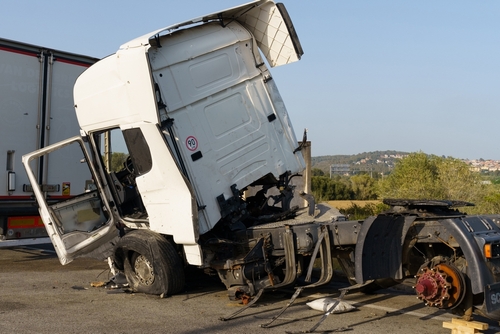
You may have noticed signs of the driver's incompetence before, during, or after the truck collision. When a company puts unqualified truck drivers on Michigan’s roads, they endanger everyone.
Key indicators of an unqualified driver include:
- Reckless Vehicle Operation: The driver handled the truck erratically, such as drifting across lanes, traveling at an unsafe speed for the conditions, or executing turns improperly.
- Inadequate Driving Skills: They showed a clear inability to manage the vehicle's long stopping distances, navigate large blind spots, or properly control a heavy load.
- Post-Accident Confusion: After the crash, the driver appeared confused about standard post-accident procedures or seemed unable to produce the correct documentation.
- Inexperienced Statements: The driver made comments at the scene that revealed a lack of experience with their truck, their cargo, or their route.
Federal and Michigan Regulations for Commercial Drivers
Federal agencies and the state of Michigan create extensive regulations to keep dangerous commercial drivers off the road. Trucking companies must follow these rules without exception.
A failure to comply can serve as powerful evidence in a personal injury lawsuit following a crash involving one of their truck drivers, whether the driver was qualified or not.
Commercial Driver’s License (CDL) Mandates
A driver needs a Commercial Driver’s License (CDL) to operate a large truck. Obtaining one requires passing both written and practical skills tests that demonstrate competence. Different classes of CDLs correspond to different types of vehicles.
Furthermore, a driver may need special endorsements on their CDL to transport certain materials, such as hazardous chemicals or oversized loads.
An attorney investigates whether the driver in your accident possessed the correct CDL and any required endorsements for the cargo they were transporting.
Medical and Physical Fitness Standards
The Federal Motor Carrier Safety Administration (FMCSA) sets forth specific medical standards for all commercial drivers. Drivers must pass a physical examination administered by a certified medical examiner.
This examination screens for conditions that could interfere with safe driving, such as vision problems, high blood pressure, or sleep apnea.
Companies must maintain a current medical certificate for every driver in their employ. They cannot permit a driver to operate a commercial vehicle if they have a disqualifying medical condition. Placing a medically unfit person behind the wheel is a severe form of negligence.
Drug and Alcohol Testing Protocols
Trucking companies have a legal obligation to implement a strict drug and alcohol testing program. This program includes pre-employment screening, random testing, post-accident testing, and reasonable suspicion testing.
The presence of controlled substances or alcohol often explains the reckless behavior that leads to devastating collisions. An accident involving an impaired driver (even a qualified one) opens both the driver and the company up to significant liability.
Hours-of-Service (HOS) Compliance
Driver fatigue is a leading cause of truck accidents. To combat this, the FMCSA created Hours of Service (HOS) regulations that limit the number of hours a driver can be on duty and behind the wheel in a given period. The rules also mandate minimum off-duty rest periods.
Many trucking companies pressure drivers to violate HOS rules to meet tight deadlines. Drivers may falsify their logbooks to conceal these violations.
Vicarious Liability in Truck Accident Cases
The legal principle of vicarious liability is a cornerstone of commercial trucking accident claims, including for mistakes made by qualified drivers. It means an employer is responsible for the negligent acts of its employees, as long as the employee was acting within the scope of their employment at the time.
This concept allows you to hold the trucking company financially responsible for the actions of its driver.
Vicarious liability helps you recover damages because:
- Financial Resources: Trucking companies and their insurers have significantly deeper pockets than individual drivers, which is necessary to cover the extensive damages in a serious truck accident case.
- Direct Accountability: It holds the company that profits from the trucking operation accountable for the harm that the operation causes to the public.
- Scope of Employment: The doctrine generally applies anytime a driver is on duty, whether they’re driving, waiting to be loaded, or even inspecting their vehicle.
Trucking Company Liability for Hiring Unqualified Truck Drivers
A trucking company's responsibility doesn’t end with checking a driver's CDL. It extends to a thorough vetting process and ongoing supervision. When a company fails in this duty, it shares liability for the resulting harm.
The Doctrine of Negligent Hiring and Retention
Michigan law recognizes the legal concept of negligent hiring, which holds an employer responsible if they hire an employee whom they knew, or should have known, was unfit for the job. In the trucking industry, this applies to companies that hire drivers with a history of recklessness.
Negligent retention is a related concept that applies when a company keeps a driver employed after learning of their incompetence or dangerous behavior.
For example, if a company fails to terminate a driver after multiple failed drug tests or preventable accidents, it may face liability for negligent retention. A detailed investigation into the company’s hiring and employment records can reveal this type of corporate negligence.
Failure To Train and Supervise
Even a driver with a valid CDL may require additional training on specific equipment, safety protocols, or routes. A responsible trucking company provides comprehensive training to prepare its drivers for the real-world challenges they will face. This includes instruction on defensive driving, cargo securement, and vehicle inspection protocols.
Inadequate supervision also contributes to accidents. A company that doesn’t monitor its drivers' HOS logs or review their vehicle inspection reports fails in its duty to promote safety. This lack of oversight allows unsafe practices to continue unchecked.
Falsification of Logbooks and Records
Unfortunately, some trucking companies actively conceal their use of unqualified truck drivers by falsifying records. They may tamper with electronic logging devices or maintain fraudulent paper logbooks to hide HOS violations.
Some companies may even create a fake employment history for a driver to hide a poor safety record.
Uncovering this type of corporate fraud requires a skilled legal team. Personal injury lawyers can file motions with the court to preserve and access company records, electronic data, and the truck's black box recorder. Exposing falsified records often shows a deep-seated disregard for public safety.
How a Driver's Lack of Qualifications Affects Your Claim

Discovering that the truck driver who caused your injuries was unqualified can significantly impact your legal claim. It shifts the focus from a simple case of driver error to a larger issue of corporate irresponsibility. This often provides a clearer path to holding the trucking company accountable.
The effects on your claim may be:
- Establishing Negligence: Proving a driver lacked the required CDL, medical certificate, or training makes establishing negligence much more direct.
- Introducing Corporate Liability: It allows your attorney to pursue claims against the trucking company for negligent hiring, training, and supervision.
- Increasing Settlement Value: The evidence of corporate wrongdoing often motivates a company and its insurer to offer a more substantial settlement.
5 Steps To Take After an Accident With a Potentially Unqualified Driver
If you have already sought medical attention, you can take specific actions to protect your rights and prepare for a potential legal claim. Your focus should be on documenting what happened and securing professional guidance.
Act today:
- Organize Your Documents: Gather any papers you received at the accident scene or the hospital. This includes the driver exchange information, the police report number, and your discharge papers.
- Start a Journal: Write down everything you remember about the accident and your recovery. Document your pain levels, medical appointments, and any communications with insurance companies.
- Preserve Evidence: Keep any photos or videos you took at the scene. Don’t repair your vehicle until your attorney has had a chance to have it inspected.
- Refrain From Social Media: Don’t post any details about the accident or your injuries online. Insurance companies often search social media profiles for information to use against you.
- Contact an Attorney: Call a Michigan truck accident lawyer to learn about your options and protect your claim for compensation.
FAQ for Unqualified Truck Drivers
What Exactly Makes a Truck Driver Unqualified?
A truck driver is considered unqualified if they fail to meet the strict standards set by the FMCSA and the State of Michigan. This can include a variety of issues, such as not having a valid and current Commercial Driver's License (CDL) for the type of truck they are operating.
They may also be unqualified if they lack a required special endorsement, like one for hauling hazardous materials. Other disqualifying factors include failing the mandatory physical exam, having a history of serious traffic violations, or a previous license suspension for a DUI.
How Does a Lawyer Prove the Trucking Company Knew They Hired an Unqualified Driver?
Proving a trucking company knowingly hired an unqualified truck driver involves a deep investigation into their records and procedures. An attorney can subpoena the driver's qualification file, which contains their application, driving record, and background checks.
If this file shows clear red flags that the company ignored, it demonstrates negligent hiring. For example, evidence that the company never conducted a background check or overlooked a long history of speeding tickets can prove they knew, or should have known, the driver was a risk.
Is the Truck Driver Personally Liable or Just the Company?
Both the truck driver and the trucking company can be held liable after a truck accident. The driver is directly liable for their own negligence in causing the crash. The trucking company is often held liable under two separate legal theories.
The first is vicarious liability, where the employer is responsible for the actions of its employee. The second is direct negligence, such as negligent hiring or supervision, where the company's own poor practices contributed to the collision.
What Is the Deadline for Filing a Truck Accident Claim in Michigan?
In Michigan, you generally have three years from the date of the accident to file a lawsuit for personal injuries. This time limit is known as the statute of limitations, and if you fail to file your claim within this period, you typically lose your right to seek compensation in court.
Contact an attorney well before this deadline to allow enough time for a thorough investigation.
Why Do I Need a Lawyer if the Unqualified Truck Driver Was Clearly at Fault?
Even when the fault seems obvious, truck accident claims are complex. Trucking companies and their insurance carriers have teams of investigators and lawyers who start working immediately to minimize their financial liability.
They may try to shift blame, get you to accept a low settlement offer, or even hide evidence that proves their driver was unqualified. An experienced truck accident attorney works to protect you from these tactics and builds a case based on solid evidence to pursue the full compensation you need.
The Power of Accountability
A trucking company has a profound responsibility to put only safe, trained, and licensed drivers on the public roads we all share. When they prioritize profits over people by employing unqualified truck drivers, they must answer for the harm they cause.
Take the first step toward securing your future and holding the right people responsible. Contact Michigan Injury Lawyers at 248-454-0800 today for free to discuss your case.

Thomas L. Stroble
FOUNDER
Mr. Stroble is a highly accomplished graduate of Michigan State University, with degrees in both science and law. He specializes in commercial lawsuits and personal injury cases. Licensed to practice law in Michigan and even the U.S. Supreme Court, he’s a well-qualified legal expert. Besides his career in law, he loves outdoor activities and volunteers as a part-time police officer in Birmingham.
Author's Bio
