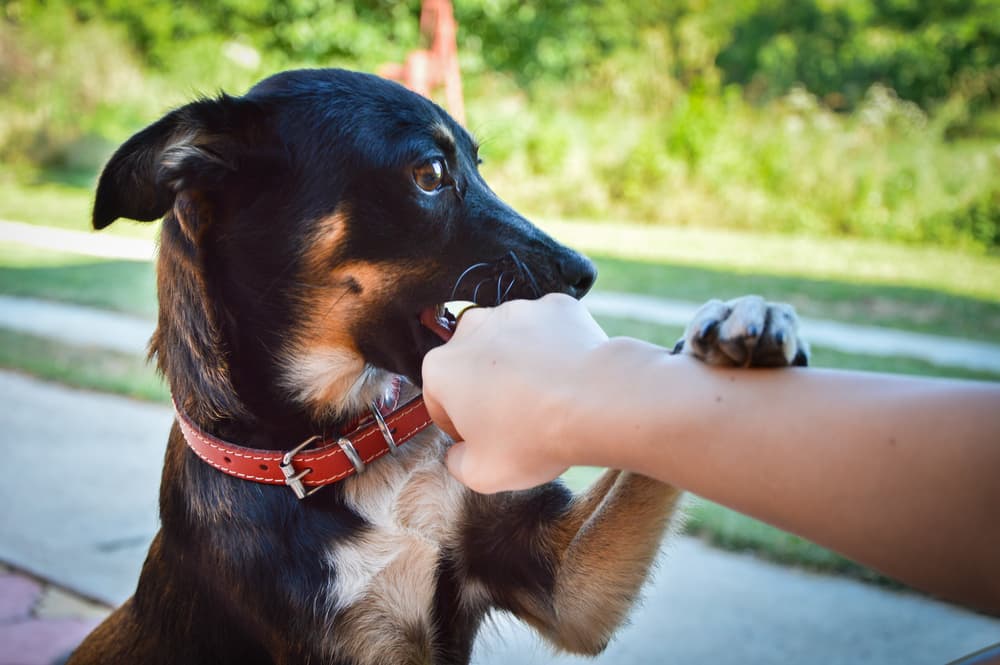
A dog attack on a quiet Lansing street creates fear and physical pain. We help residents look at Lansing's Dangerous Dog Ordinances to find clarity on pet owner responsibilities. Local safety rules define how the city manages aggressive animals.
City officials rely on these codes to maintain safe neighborhoods and hold negligent owners accountable. These regulations work alongside Michigan state law to address threats before an injury occurs. We focus on how these specific city rules influence your pursuit of a recovery after an animal attack.
Safety guardrails for Lansing residents
- Lansing code defines "dangerous" based on aggressive actions toward people or domestic pets.
- Owners of these animals must build secure enclosures and follow strict leashing rules.
- The city requires owners to maintain specific insurance coverage for high risk pets.
- Animal control officers possess the power to seize dogs that threaten public safety.
- Violations of these rules provide evidence of negligence in personal injury claims.
The Scope of City Safety Rules
The Lansing Code of Ordinances contains the primary safety standards for pet ownership within city limits. Chapter 602 outlines the definitions, requirements, and penalties for handling animals that show a history of aggression. Our team reviews these codes to identify when an owner fails to meet their legal duties.
Defining dangerous behavior
Lansing defines an animal as dangerous if it bites or causes serious injury to a person without provocation. The ordinance also includes dogs that kill or seriously injure other domestic pets while off the owner's property. We look at prior reports to see if an animal fits this legal description.
Menacing conduct in public
A dog does not need to bite someone to trigger city intervention. Lansing's Dangerous Dog Ordinances cover animals that chase or approach people in a menacing fashion on public sidewalks or streets. We use these provisions to show that an owner knew their animal posed a threat to the community.
The legal designation process
The city attorney holds the authority to formally designate an animal as dangerous. This process involves reviewing evidence from victims, witnesses, and animal control officers. We monitor these proceedings to gather facts that support your civil claim for damages.
How Ordinances Affect Your Legal Recovery
Violating a city safety rule creates a strong foundation for a personal injury claim. We use evidence of these violations to show that an owner ignored local standards designed to prevent harm. This focus helps us build a compelling case for the insurance company or a jury.
Proving negligence per se
If an owner violates an ordinance designed to protect the public, the law may view their actions as negligence per se. We use the city's specific rules to show that an owner failed in their duty simply by ignoring the code. This often simplifies the process of establishing responsibility for your injuries.
Using animal control records
The Ingham County Animal Control department maintains records of citations, warnings, and dangerous dog designations. We obtain these official reports to verify the animal's history and the owner's prior knowledge of the risk. These documents provide an unbiased account of the owner's failures.
Landlord liability factors
Landlords who allow tenants to keep known dangerous dogs may be held liable for any resulting attacks. We review lease agreements and property management records to see if a landlord ignored safety concerns in common areas. This search identifies all potential sources of recovery for your claim.
Common Failures in Pet Owner Duties
Many incidents occur because an owner believes the city's rules do not apply to their specific pet. We see a pattern of common failures that lead directly to injuries on public property. Our firm catalogs these failures to help you seek a fair resolution for your losses.
Leaving high-risk animals unattended
Lansing's Dangerous Dog Ordinances prohibit owners from leaving these animals unattended in a yard, even if a fence exists. The owner must stay present to supervise the dog and ensure the enclosure remains secure at all times. We look for evidence that an owner left the dog alone.
Failure to provide community warnings
The city may require owners to post specific signage on their property once an animal receives a dangerous designation. These signs serve as a warning to mail carriers, delivery drivers, and neighbors. We investigate if an owner failed to provide these necessary community warnings before the attack.
Inadequate restraint equipment
Standard leashes often fail when a large dog lunges at a passerby. The city code requires owners to use equipment that fits the animal's size and strength. We examine the leash and collar used during the incident to see if they met the city's standards for control.
The Process for City Enforcement
Local authorities rely on resident reports to identify animals that violate safety standards. Ingham County Animal Control handles the investigation and enforcement of these city rules. We help our clients interact with these agencies to ensure a professional record of the incident exists.
Investigations by animal control
Officers visit the property to inspect the animal's living conditions and restraint systems. They interview witnesses and review medical records to verify the facts of a reported attack. We use the findings from these investigations to support your civil claim for recovery.
Decisions by the city attorney
The city attorney reviews the evidence to decide if a dangerous dog designation remains necessary for public safety. This decision often hinges on whether the animal acted without provocation in a public area. We monitor these outcomes to gather information that strengthens your personal injury case.
Penalties for ordinance violations
The city may issue citations, fines, or even seize an animal if an owner fails to follow the code. Local courts possess the authority to order the removal of a dog from city limits to protect the public. We look for these official findings to demonstrate the owner's history of negligence.
Mandatory Compliance for Designated Dogs
When the city labels a dog as dangerous, the owner must follow a specific list of duties to stay compliant. These rules prevent future attacks and alert the community to the animal's presence. We check for compliance with these mandates to identify instances of negligence in your pursuit of a recovery.
The $1 million liability policy
Lansing's dangerous dog ordinances require owners of dangerous dogs to maintain a liability insurance policy of at least $1 million. This policy must provide coverage for bodily injury and property damage caused by the animal. We verify the existence of this insurance to identify the primary source of recovery.
Notice of policy cancellation
The ordinance requires insurance carriers to notify the city if an owner cancels their liability policy. This prevents owners from obtaining a policy only to let it lapse after receiving city permits. We check the timing of insurance payments to see if the owner maintained continuous coverage for the animal.
Permanent identification and tracking
The city requires owners to microchip dangerous animals and provide the identification number to animal control. This ensures that the city can track the animal if it escapes or the owner moves to a new neighborhood. We verify if an owner followed these identification protocols after a prior incident.
Financial Responsibilities of High-Risk Owners
Lansing's Dangerous Dog Ordinances place a heavy financial burden on the owners of aggressive animals. These requirements ensure that victims possess a path toward recovery if an animal causes harm. We explore these financial mandates to identify every available source of insurance coverage.
- Owners must pay for the costs of microchipping and permanent identification.
- The city requires a fee for the annual registration of a designated dangerous dog.
- Owners must provide proof of the $1 million liability policy every year to maintain the permit.
- The city may hold the owner responsible for the costs of seizing and impounding a dangerous animal.
Following these financial trails helps us confirm that an owner recognized the risk their animal posed to the community. When an owner fails to maintain insurance or registration, they demonstrate a disregard for the safety of their neighbors. We use these failures to build a compelling narrative for your claim.
- Missing insurance coverage identifies a significant breach of the owner's legal duties.
- Lapsed registrations show that an owner intentionally avoided city safety oversight.
- Unpaid impoundment fees provide further evidence of an owner's failure to manage their animal responsibly.
FAQ for Lansing's Dangerous Dog Ordinances
Does Lansing ban specific breeds?
Lansing does not maintain a breed-specific ban within its ordinances. The city's rules focus on the actions and behaviors of the individual animal regardless of its heritage or appearance. Any dog that demonstrates aggression can receive a dangerous designation under the current city code.
Can the city remove a dog from Lansing?
Yes, a local court possesses the authority to order the removal of a dog from city limits if the owner fails to comply with safety rules. In extreme cases where an animal poses a fatal threat, the city may seek an order for humane destruction. These decisions rest with the judicial system and the city attorney.
What if the dog never received a designation before?
An owner still faces liability under Michigan state law even if the dog lacked a prior designation from the city. The first incident of aggression triggers an investigation and may lead to a future designation under Lansing's Dangerous Dog Ordinances. We help you hold the owner accountable regardless of the animal's prior status.
How do I report a menacing animal?
You should file a written statement with Ingham County Animal Control to begin an official investigation. You should include the date, time, and specific actions of the dog in your report to create a clear record. These statements help the city identify threats before a serious injury occurs in the community.
Will the owner face jail time for a violation?
Ordinance violations typically result in civil fines or the seizure of the animal rather than criminal jail time. However, if an owner's negligence leads to a serious injury, they may face separate criminal charges under state law. We focus on the civil pursuit of a recovery for your medical bills and emotional distress.
Building a Safer Community Together
A violent encounter with an aggressive animal disrupts your peace of mind and your sense of safety. You should not have to research city codes and track down insurance policies while you are recovering from a physical injury. Our Lansing team handles the legal work of identifying ordinance violations and gathering official records to support your claim.
We believe that every person deserves to walk on city sidewalks without the fear of an unrestrained animal. Our firm provides the steady, professional guidance necessary to hold negligent owners accountable for the harm their pets cause. We stand by our clients and work toward a resolution that recognizes the full extent of their physical and emotional losses.
One conversation can clarify the legal options available to you and your family under local safety rules. We offer free consultations to discuss the facts of your situation and how city codes might influence your pursuit of a recovery.
Reach out to our Lansing office to talk through your experience and see how we can support your path toward a stable recovery. Call Michigan Injury Lawyers to speak with someone about your case today.

Thomas L. Stroble
FOUNDER
Mr. Stroble is a highly accomplished graduate of Michigan State University, with degrees in both science and law. He specializes in commercial lawsuits and personal injury cases. Licensed to practice law in Michigan and even the U.S. Supreme Court, he’s a well-qualified legal expert. Besides his career in law, he loves outdoor activities and volunteers as a part-time police officer in Birmingham.
Author's Bio

