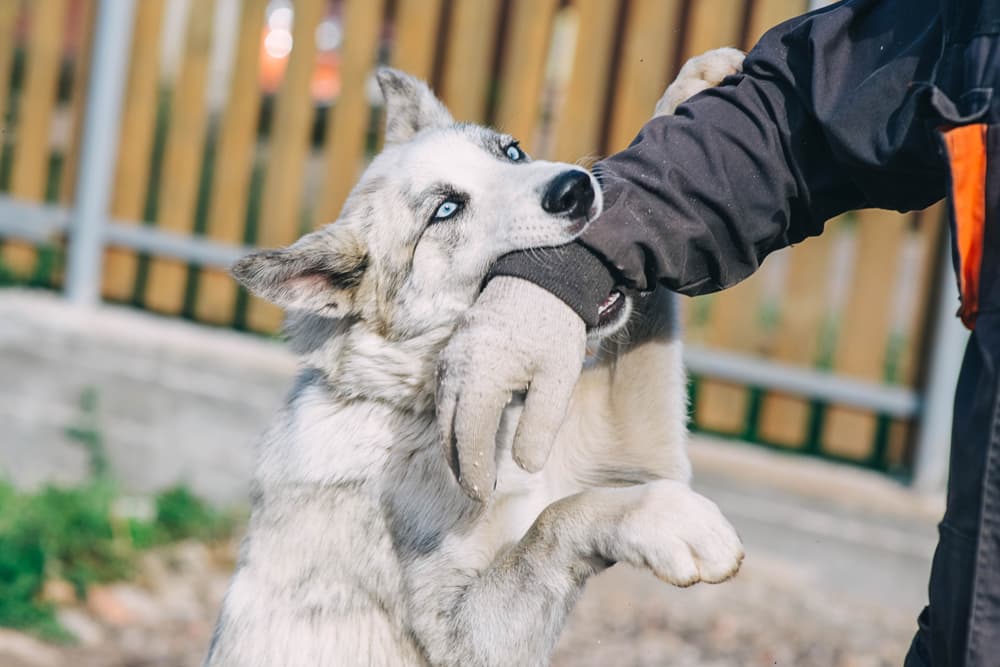
A walk through a Bloomfield Hills neighborhood or a visit to a Lansing park turns into a legal matter when an animal attacks. Identifying the most common dog bite injuries helps you clarify your options for seeking a recovery.
Michigan law provides a clear path for victims, but the physical reality of your injury dictates the strategy we use to pursue fair compensation. Our team focuses on the legal consequences of these physical harms.
We look at how a specific injury affects your ability to work and your quality of life. By documenting every physical change, we strengthen your position during negotiations with insurance carriers.
Our firm stands ready to manage the technical details of your claim while you focus on healing.
Building a professional record of your recovery
- Deep puncture wounds often require extensive medical documentation to show the risk of infection and underlying tissue damage.
- Permanent scarring serves as objective evidence of the attack’s severity and often increases the non-economic value of a claim.
- Nerve and tendon damage may lead to long-term physical limitations that affect your future earning capacity.
- Psychological trauma represents a significant loss that we include in your pursuit of a fair resolution.
- Following every medical recommendation provides the evidence we need to refute claims that your injuries stayed minor.
The Legal Implications of The Most Common Dog Bite Injuries
Michigan’s strict liability statute, MCL 287.351, holds owners responsible for bites regardless of the dog’s history. The type of injury you suffer determines how we present this liability to the insurance company. We categorize these harms to ensure your claim accounts for both immediate and future needs.
Legal weight of deep puncture wounds
Puncture wounds happen when a dog’s teeth pierce the skin, creating a high risk for trapped bacteria. From a legal perspective, these wounds require a professional paper trail to show the depth of the damage.
We use medical records to demonstrate that the attack caused more than just surface-level harm. This documentation prevents the insurance carrier from arguing that the incident was a mere "nip."
Documenting lacerations and disfigurement
Lacerations often involve torn skin and muscle that leave permanent scars. Michigan law recognizes that visible disfigurement causes lasting emotional and social harm. We use high-quality photography to preserve the reality of these marks before and after treatment.
These images provide the objective proof needed to justify a recovery for pain and suffering. Permanent changes to your appearance carry significant weight in a civil claim.
Nerve and tissue damage
Serious bites often crush or tear nerves, leading to a loss of sensation or mobility. We focus on how these physical limitations change your ability to perform daily tasks or enjoy hobbies.
Medical evaluations from specialists provide the evidence we need to show the long-term effects of the attack. We include the cost of ongoing physical therapy in our demand for compensation to protect your financial stability.
Managing claims for fractured and broken bones
Large dogs possess enough jaw strength to break bones, especially in children or elderly victims. These injuries often require surgeries and expensive medical equipment like casts or braces.
We track every invoice related to these treatments to show the exact financial burden placed on your household. Documenting the recovery timeline for a fracture helps us prove the extent of your physical suffering.
How Infections Influence Liability and Damages
Bacteria from a dog’s mouth often lead to serious infections like cellulitis or pasteurella. These complications require additional hospital stays and expensive antibiotic treatments.
We include these secondary health issues in your claim because they result directly from the owner’s failure to control their animal. A serious infection demonstrates the dangerous nature of the attack and increases the necessary recovery amount.
Assessing psychological trauma in legal claims
The emotional results of a violent encounter often outlast the physical wounds. Many victims develop post-traumatic stress or a deep fear of animals that requires professional counseling.
We look for ways to articulate this intangible loss to the insurance adjuster through therapy records and personal journals. Emotional distress represents a real loss that changes how you interact with your community and your family.
Long-term effects on earning capacity
If an injury to your hand or arm prevents you from returning to your specific career, we pursue compensation for lost earning capacity. We look at your professional history and the physical demands of your job to show the financial impact of the disability.
This focus helps ensure that a settlement provides for your family’s future needs. Our team analyzes these long-term economic effects as a primary part of your case.
Comparative fault and injury severity
Insurance companies often try to shift blame to the victim to lower the payout. We use the severity of the injury to rebut claims that you provoked the dog or ignored warning signs.
A violent attack with multiple bite marks suggests an aggressive animal rather than a defensive reaction. Our firm focuses on the owner’s responsibility to maintain control of their pet at all times.
Strengthening Your Position with Quality Evidence
A successful pursuit of a recovery relies on the organization of facts and medical records. We suggest maintaining a detailed file that connects the attack to your current physical state. This preparation provides the clarity we need to present a professional demand to the insurance carrier. Every piece of documentation adds another layer of support to your legal claim.
Actionable steps help you regain a sense of control during a stressful time. We assist you in managing this information so you can stay focused on your health. By organizing the evidence early, we avoid the administrative delays that often slow down the legal process. Each record serves as a link between the owner's negligence and your recovery needs.
- Secure the contact information of the dog owner and any witnesses immediately.
- Request an official report from Ingham County Animal Control or local police.
- Keep copies of every prescription bottle and medical supply receipt.
- Photograph the scene of the incident and any failures in the owner's fencing.
- Log every missed work hour and every conversation with an insurance adjuster.
These records allow us to present a factual narrative that is difficult for a carrier to ignore. We use the professional findings of your doctors to measure the owner’s negligence against the harm you suffered.
This precision moves your case toward a resolution that accounts for the full effect of the injury. We stand by you through every step of this documentation process.
- Consistent logs of physical symptoms prove the injury stayed a factor in your daily life.
- Official reports establish a neutral third-party account of the animal’s behavior.
- Employment records verify the financial hit your family took because of the attack.
process.
Local Ordinances in Lansing
Lansing maintains specific safety rules that work alongside state law to define pet owner duties. We review local codes to identify if an owner failed to follow specific leashing or containment protocols.
Violating an ordinance provides further evidence of negligence in your personal injury claim. We use these local rules to strengthen your position during settlement discussions with the insurance carrier.
Leash law violations and public safety
Lansing ordinances require owners to maintain control of their pets in public spaces. If an animal attacks someone on a city sidewalk while unrestrained, the owner violated a local safety standard.
We use these violations to show the owner ignored their duty to the community. This focus simplifies the process of establishing the owner's responsibility for the incident.
Dangerous dog designations and prior notice
If the city previously labeled a dog as dangerous, the owner faced strict requirements for containment. We investigate if the owner ignored these mandates, such as failing to build a secure enclosure or provide warning signs.
Showing that an owner had prior notice of the dog’s aggression significantly strengthens your claim. Our team searches public records to find this history of negligence.
Landlord responsibility in rental properties
Landlords who allow tenants to keep known aggressive animals may share in the liability for an attack. We review property management records to see if a landlord ignored safety concerns in common areas like laundry rooms or courtyards.
This search identifies additional sources of recovery for your medical expenses. We explore every legal avenue to support your path toward a stable resolution.
FAQ for The Most Common Dog Bite Injuries
What if the dog belongs to a neighbor?
Most animal attack claims resolve through the owner’s insurance policy rather than their personal bank account. Filing a claim allows you to address your medical costs without placing a direct financial burden on a friend or neighbor. We handle these negotiations professionally to help preserve your personal relationships while you seek a recovery.
Can I file a claim if the dog didn't actually bite me?
You may seek a recovery if a dog’s actions caused you to fall or suffer another injury without an actual bite. These cases usually fall under common law negligence rather than the strict liability statute. We look for evidence that the owner failed to exercise reasonable care in controlling their animal.
Does the dog have to be put down if I file a lawsuit?
Filing a civil claim focuses on finding a recovery for your losses, not the fate of the animal. Local animal control authorities make decisions about the dog’s safety independently of your civil lawsuit. Our legal work addresses your medical bills and your pain and suffering rather than the animal’s status.
How long do I have to file a claim in Michigan?
Under MCL 600.5805, you generally have three years from the date of the incident to file a personal injury lawsuit. However, starting the process early helps us secure evidence like surveillance footage before it disappears. We suggests calling us as soon as you feel ready to discuss your options.
What if the owner has no insurance?
If a dog owner lacks homeowners or renters insurance, we explore other potential avenues for recovery. This might include checking for umbrella policies or pursuing a claim against the owner's personal assets. While insurance simplifies the process, it is not the only way to seek justice for an injury.
Finding Your Path Toward Stability
The days following an injury often feel heavy with medical appointments and insurance phone calls. You should not have to manage the technicalities of a legal claim while you are trying to regain your physical strength.
Our team provides the professional assistance necessary to manage the administrative burdens and the insurance negotiations. We focus on achieving a resolution that recognizes the gravity of your experience.
We believe that every person deserves a dedicated advocate who knows how to hold insurance companies to the requirements of the law. Our firm offers the professional guidance you need to move through the legal system with confidence. We stand by our clients and work to ensure that a sudden injury does not dictate your financial future.
Our advocates stay ready to represent your interests and seek the recovery your family deserves. Taking action early helps us secure the information necessary to build a successful case before it disappears. We invite you to contact our office to discuss your situation and learn about the options available for your recovery.
Our team provides a clear perspective on the legal process and helps you find the stability you deserve. Call Michigan Injury Lawyers today to discuss your case with a professional who values your future.

Thomas L. Stroble
FOUNDER
Mr. Stroble is a highly accomplished graduate of Michigan State University, with degrees in both science and law. He specializes in commercial lawsuits and personal injury cases. Licensed to practice law in Michigan and even the U.S. Supreme Court, he’s a well-qualified legal expert. Besides his career in law, he loves outdoor activities and volunteers as a part-time police officer in Birmingham.
Author's Bio

