When a drunk driving crash happens in Michigan, the person behind the wheel is not always the only one with legal responsibility. Under the Michigan Dram Shop Act, bars, restaurants, and other licensed alcohol sellers may face liability for unlawfully serving someone who later causes injuries.
Proving that connection requires a Michigan dram shop liability lawyer who understands both the statute and the investigation these claims demand. Many people never realize a second claim may exist beyond the drunk driver.
Maybe the driver came from a bar where staff kept pouring drinks long after visible signs of intoxication. Maybe a restaurant served a minor who later caused a fatal crash. These facts matter, and they often go uninvestigated without legal guidance.
Michigan Injury Lawyers helps injured people and families across Michigan evaluate whether a dram shop claim applies to their situation. Call our Bloomfield Hills office at 248-454-0800 for a free consultation.
Why Choose Michigan Injury Lawyers for Your Dram Shop Claim?
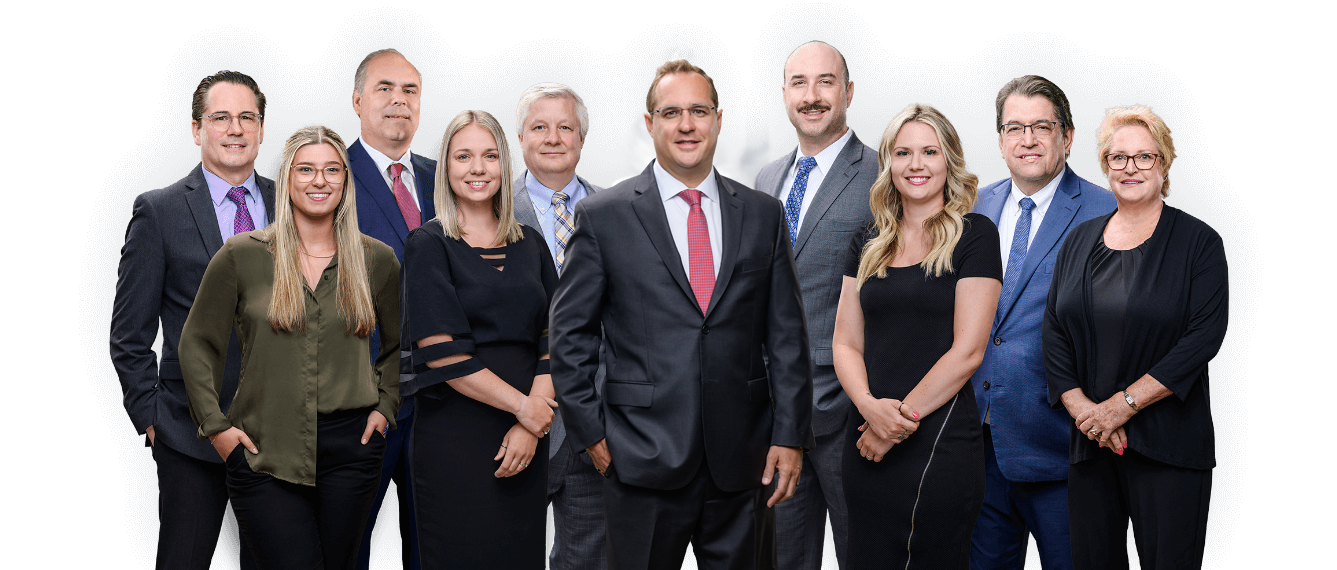
Dram shop claims require a different kind of preparation than a standard crash case. The investigation reaches back before the collision, into the bar, the service records, and the conduct of staff who kept pouring.
Thomas Stroble founded Michigan Injury Lawyers in 2008 with a straightforward philosophy: prepare every case thoroughly from day one, communicate honestly about what the evidence shows, and treat every client as a person rather than a file number.
That philosophy shapes how we handle dram shop cases specifically. We trace the timeline of service, identify witnesses, and build the factual record connecting unlawful service to the crash. When the evidence supports a claim, we tell you. When it does not, we tell you that too. Clients hear the truth from us, not just what they hope to hear.
Our offices in Bloomfield Hills, Detroit, Lansing, Mount Clemens, Traverse City, and Petoskey give us a physical presence across Michigan. We offer free consultations and take cases on a contingency fee basis, meaning no upfront costs. Past results do not guarantee future outcomes.
Hear From Our Clients
How Does a Dram Shop Claim Differ From a Standard Drunk Driving Case?
A drunk driving injury claim and a dram shop claim arise from the same crash, but they target different parties and require different proof. The distinction explains why injured people sometimes have two separate legal claims arising from the same collision.
A standard crash claim focuses on the driver's conduct behind the wheel. A dram shop claim looks further back in the timeline and asks whether the alcohol provider broke the law by serving someone who was already visibly intoxicated or underage.
A Michigan car accident lawyer handles the driver's liability, while a dram shop claim opens a separate path toward compensation.
Michigan Dram Shop Claim vs. Drunk Driving Claim
The two claims overlap in timing but differ in almost every other way. This comparison breaks down the key differences between a standard drunk driving injury claim and a dram shop claim under Michigan law.
| Issue | Drunk Driving Claim | Dram Shop Claim |
|---|---|---|
| Main focus | Driver's unsafe conduct | Alcohol provider's unlawful service |
| Key proof | Crash report, medical records, fault evidence | Visible intoxication, sales records, witness statements |
| Insurance source | Driver's auto policy | Business or liquor liability coverage |
| Deadline concerns | Standard injury filing deadlines | Dram shop notice and filing rules under MCL 436.1801 |
| Why it matters | Proves crash responsibility | May open another source of insurance coverage |
That second source of coverage is often significant. Drunk drivers frequently carry minimum auto insurance or no insurance at all. A liquor liability policy carried by a bar or restaurant may provide compensation that the driver's auto policy does not.
What Does Michigan's Dram Shop Act Require You to Prove?

Michigan's dram shop liability statute does not make every alcohol seller automatically responsible for a drunk driving crash. MCL 436.1801 sets specific conditions that a claim must meet.
The statute creates a right of action when a licensed alcohol seller furnishes alcohol to a person who is either visibly intoxicated or a minor, and that person later causes injury.
What Does "Visibly Intoxicated" Mean in Practice?
"Visibly intoxicated" means the person's intoxication was apparent to an ordinary observer at the time of service. Think of it this way: a bartender serves someone who is slurring words, stumbling, or having trouble staying upright on a barstool. Those are the kinds of observable signs the statute targets.
The question is not whether the person's blood alcohol tested above .08 at the bar. The question is whether staff saw or reasonably could have seen signs of intoxication and served alcohol anyway.
That distinction matters because dram shop claims often turn on witness testimony and surveillance footage rather than blood test results. Someone at the bar that night — a server, a bouncer, or another patron — may have observed behavior that proves the person was visibly intoxicated when served.
Our team works to locate those witnesses and preserve that testimony before memories fade.
Does the Law Apply to All Types of Alcohol Sellers?
The Dram Shop Act applies to retail licensees under Michigan's Liquor Control Code. That includes bars, restaurants, breweries, wineries, and licensed event venues — businesses where alcohol is served on-premises and staff have the opportunity to observe a customer's condition.
Liquor stores and other off-premises sellers also hold retail licenses, but dram shop claims involving off-premises sales raise different factual questions. Proving visible intoxication during a brief retail transaction involves different evidence than proving overservice at a bar where staff interacted with the customer over hours.
What Evidence Supports a Michigan Dram Shop Liability Claim?

These claims live or die on evidence gathered early. Unlike a standard crash claim where a police report and medical records often tell most of the story, a dram shop claim requires proof of what happened inside the establishment before the crash.
That is why our team begins preserving evidence immediately. Surveillance footage, receipts, and witness memories often disappear quickly.
Several types of evidence carry particular importance in dram shop cases:
- Surveillance footage from the bar, restaurant, or parking lot showing the person's condition and behavior during service
- Receipts, tabs, and point-of-sale records documenting the number and timing of drinks served
- Witness statements from bartenders, servers, other patrons, or anyone who interacted with the intoxicated person before the crash
- Toxicology and blood alcohol results from the crash scene, which help establish the level of intoxication at the time of the incident
- Training records and establishment policies showing whether staff received responsible service training or whether the business had a pattern of overservice
We request surveillance preservation letters, gather records, and interview witnesses during the early weeks of a case. Waiting even a few weeks may mean critical footage has been overwritten or a key witness no longer remembers details.
Preparation at this stage often determines whether a dram shop claim succeeds or falls apart. Call 248-454-0800 to start that process.
Does Michigan Allow Dram Shop Claims Against Social Hosts?

Michigan's Dram Shop Act primarily addresses licensed alcohol sellers, not private individuals hosting a party or gathering. Social host liability operates under a different and more limited legal framework in Michigan.
When Does Social Host Liability Apply?
A social host in Michigan generally does not face the same dram shop liability as a bar or restaurant. However, situations involving minors create a different analysis. If an adult furnishes alcohol to a minor at a private party and that minor later causes injuries, a separate legal claim may exist outside the Dram Shop Act.
The legal basis, available defenses, and insurance implications differ significantly between commercial dram shop claims and social host claims. Anyone evaluating whether a social host bears responsibility after an alcohol-related crash needs case-specific legal analysis rather than a general rule. That is the kind of question we walk clients through during an initial consultation.
What Happens When an Overserved Driver Causes a Death?
When an alcohol-related crash takes a life, the family may have both a wrongful death claim against the driver and a dram shop claim against the establishment that served the alcohol. These are separate claims with distinct legal requirements.
A Michigan wrongful death attorney evaluates both paths toward compensation. The wrongful death claim addresses the driver's negligence. The dram shop claim addresses the alcohol provider's unlawful service. Pursuing both allows the family to seek compensation from every responsible party.
According to the National Highway Traffic Safety Administration, alcohol-impaired crashes account for roughly one-third of all traffic fatalities nationwide each year. Michigan is not immune. Michigan State Police crash data consistently shows alcohol involvement in a significant portion of fatal crashes across the state.
Families dealing with this kind of loss face grief and financial pressure at the same time. A dram shop claim may provide an additional path toward stability when the driver's insurance coverage falls short. We guide families through both claims with honest expectations about what the evidence supports and what recovery may look like.
What Deadlines and Notice Rules Apply to Michigan Dram Shop Claims?
Missing a deadline in a Michigan dram shop case does not just weaken a claim. It may eliminate it entirely. The Dram Shop Act includes specific procedural requirements that go beyond standard personal injury filing deadlines.
What Is the Written Notice Requirement?
Under MCL 436.1801(4), a person pursuing a dram shop claim must provide written notice to the licensed alcohol seller within 120 days of the incident. That notice must identify the injured person, the date and location of the incident, and the name of the intoxicated person who caused the injury.
This 120-day window is much shorter than most people expect. Many injured people spend those first four months focused on medical treatment, recovery, and insurance calls without realizing a separate notice deadline is running.
How Long Do You Have to File a Dram Shop Lawsuit?
The statute of limitations for a Michigan dram shop claim is two years from the date of the injury. That two-year window applies even if the criminal case against the drunk driver is still pending.
Both deadlines run simultaneously. Missing the 120-day notice requirement may bar the claim regardless of whether the two-year filing deadline has passed. This is one of the strongest reasons to talk with an attorney early after an alcohol-related crash. We keep clients informed about every deadline affecting their case so nothing falls through the cracks.
What Mistakes Put a Michigan Dram Shop Liability Claim at Risk?
Dram shop claims involve more procedural traps than most personal injury cases. Several common missteps reduce or eliminate the value of otherwise strong claims.
The following mistakes come up repeatedly in Michigan dram shop cases:
- Missing the 120-day written notice deadline to the alcohol provider, which may bar the claim entirely under MCL 436.1801(4)
- Failing to preserve evidence early, including surveillance footage, bar tabs, and receipts that the establishment may overwrite or discard
- Assuming the criminal DUI case handles everything, when criminal charges against the driver do not address the injured person's compensation
- Settling the drunk driving claim too quickly without investigating whether a dram shop claim exists against the alcohol provider
- Not identifying all potentially liable parties, including bars, restaurants, or event venues the driver visited earlier in the evening
Each of these mistakes stems from the same root issue: not knowing a dram shop claim existed or not acting quickly enough to preserve it. We review the full timeline of events, not just the crash itself, because identifying every potential source of recovery is part of the thorough preparation clients rely on us to provide. Call 248-454-0800 to discuss your situation.
FAQs for Michigan Dram Shop Liability Claims
Does a drunk driver's criminal conviction automatically prove a dram shop claim?
No. A DUI conviction proves the driver was intoxicated at the time of the crash, but it does not prove the bar or restaurant served them unlawfully. A dram shop claim requires separate evidence showing visible intoxication at the time of service or that the person served was a minor.
Is a dram shop claim possible if the drunk driver died in the crash?
Yes. The dram shop claim targets the alcohol provider, not the driver. Even when the intoxicated person dies in the crash, the injured party or surviving family members may still pursue a claim against the establishment that unlawfully served the alcohol.
What if the bar claims the person did not appear intoxicated?
That defense is common. Bars and their insurers frequently argue that staff had no reason to believe the person was visibly intoxicated. Surveillance footage, witness statements, toxicology results, and the volume of drinks served often counter that argument. Early evidence preservation is critical.
Do dram shop claims apply to alcohol served at a private wedding or corporate event?
It depends on who served the alcohol. If a licensed caterer or venue with a liquor license served the drinks, the Dram Shop Act may apply. If a private host served alcohol without a license, the claim falls under social host liability rules, which are more limited in Michigan.
What type of insurance covers a Michigan dram shop claim?
Most bars, restaurants, and licensed alcohol sellers carry liquor liability insurance or commercial general liability policies that cover dram shop claims. This coverage is separate from the drunk driver's auto insurance and may provide additional compensation for injured people and families.
Taking the Next Step After an Alcohol-Related Crash
Figuring out whether a dram shop claim exists takes careful investigation and a clear understanding of Michigan's statute. These claims involve tight deadlines, difficult evidence, and legal questions that go beyond a standard crash case.
Michigan Injury Lawyers helps injured people and families across Michigan evaluate whether an alcohol provider bears responsibility for an alcohol-related crash. We prepare these cases thoroughly, communicate honestly about what the evidence supports, and treat every client as a person working to regain stability after a serious injury.
Contact Michigan Injury Lawyers to schedule a free consultation. We take cases on a contingency fee basis, so there are no upfront costs. Call 248-454-0800 to talk through your options with a team that knows Michigan dram shop law and treats your situation with the care it requires.