
Michigan law holds dog owners strictly liable for qualifying bite injuries, even when the dog has never bitten anyone before. A Michigan dog bite attorney at Michigan Injury Lawyers reviews the facts of the bite, identifies the responsible owner and applicable insurance, and builds the documentation needed to pursue compensation for your injuries.
We have represented injured people in Michigan since 2008. Dog bite claims are a central focus of our personal injury practice, and we understand the medical, insurance, and legal issues these cases involve.
Call 313-438-4357 to talk through your situation with our team.
Table of Contents
- Why Choose Michigan Injury Lawyers as Your Michigan Dog Bite Lawyer?
- Is Michigan a Strict Liability State for Dog Bites?
- What Does Michigan's Dog Bite Law Require You to Prove?
- Who Pays for a Dog Bite Claim in Michigan?
- What Compensation Does a Michigan Dog Bite Claim Address?
- What Steps Matter After Your Immediate Medical Needs Are Addressed?
- How Do Michigan's Dangerous Dog Laws Differ From the Bite Statute?
- Where Do We Handle Michigan Dog Bite Claims?
- What Do Michigan Dog Bite Statistics Tell You About a Claim?
- FAQs for Michigan Dog Bite Claims
- Talk to a Dog Bite Attorney in Michigan About Your Claim
Why Choose Michigan Injury Lawyers as Your Michigan Dog Bite Lawyer?
Michigan Injury Lawyers was founded by Thomas Stroble, who was born, raised, educated, and built his practice in Michigan. We treat clients as people rather than case numbers, and that commitment shapes every dog bite case we take.
Our approach centers on thorough preparation and honest communication. We explain what the law requires, what the evidence supports, and what realistic expectations look like for your claim. We do not overstate outcomes.
We handle dog bite cases on a contingency-fee basis, meaning no attorney fees are owed unless the case produces a recovery. Call 313-438-4357 to start the conversation.
Is Michigan a Strict Liability State for Dog Bites?
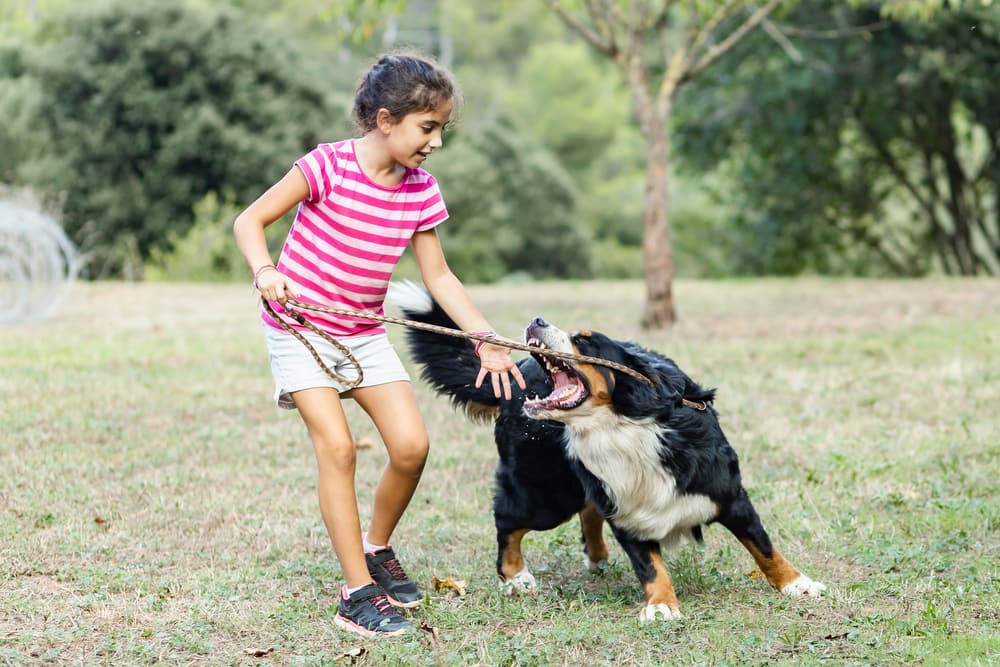
Michigan imposes strict liability on dog owners for qualifying bite injuries under MCL 287.351. An owner is liable even when the dog has never bitten anyone before and the owner had no knowledge of prior viciousness, provided the person was on public property or lawfully on private property and the bite occurred without provocation.
That framework removes some of the proof required in an ordinary negligence case. The injured person does not need to show that the owner was careless or that the dog had a history of aggression. Michigan courts have described the statute as imposing nearly absolute liability when its requirements are met.
Unlike a common-law theory that requires proof that the owner knew or had reason to know of dangerous propensities, Michigan's statute does not require that showing. The statute does not give an owner a free first bite. Instead, how strict liability protects your recovery depends on whether the statutory requirements are met, including lawful presence and lack of provocation.
The statute's requirements and what it removes are often confused. This breakdown clarifies both:
| Issue | Michigan Rule Under MCL 287.351 |
| Prior bite history | Not required |
| Owner's prior knowledge of aggression | Not required |
| Proof of owner negligence | Not required |
| Type of injury | The statute applies to bites specifically |
| Location | Public property or lawful presence on private property |
| Provocation | Bite must occur without provocation |
What Does Michigan's Dog Bite Law Require You to Prove?
Michigan's strict-liability statute simplifies the claim, but it does not make every dog bite claim automatic. Two factual issues create most of the disputes we see: whether the injured person was lawfully present and whether the dog was provoked.
What Does Lawful Presence Mean?
The statute covers bites that occur on public property or while the injured person is lawfully on private property. Michigan law recognizes invitees, licensees, and people performing legally imposed duties (such as mail carriers or utility workers) as lawfully present.
Someone who was not lawfully on private property may not satisfy the requirements of Michigan's statutory strict-liability claim. That question depends on the specific facts surrounding the visit and the property.
How Does Provocation Affect a Michigan Dog Bite Claim?
Provocation is the key statutory defense in a Michigan dog bite case, and it requires more nuance than many people expect. Michigan's model civil jury instructions define provocation as an action or activity, intentional or unintentional, that would reasonably be expected to cause a dog in similar circumstances to react as shown by the evidence.
That means accidental conduct (stepping on a dog's tail, for instance) may qualify as provocation depending on the circumstances. The question is not whether the person meant to provoke the dog, but whether the conduct would reasonably be expected to cause the reaction.
We investigate the moments before the bite carefully because provocation disputes often turn on small factual details that witnesses remember differently.
Does the Statute Cover All Dog-Related Injuries?
MCL 287.351 applies specifically to bites. A person injured when a dog knocks them down, jumps on them, or causes harm without biting may need a different legal theory to pursue a claim.
Who Pays for a Dog Bite Claim in Michigan?
Homeowners’ and renters' liability insurance frequently covers dog bite claims. According to the Insurance Information Institute, homeowners’ and renters’ policies commonly include liability protection for injuries caused by pets, although individual policies, exclusions, and coverage limits vary.
This matters because many dog bites involve an owner the injured person knows personally. A neighbor's dog, a relative's pet, or a friend's animal creates a situation where people sometimes hesitate to pursue a claim.
When coverage applies, homeowners’ or renters’ insurance often funds the claim rather than requiring payment directly from the owner's personal funds. We review the applicable policy, coverage limits, and exclusions to determine who pays the medical bills and what coverage is available for other documented losses.
What Compensation Does a Michigan Dog Bite Claim Address?
A dog bite claim addresses the ways the injury has changed your life, starting with treatment and extending into long-term physical and emotional effects.
Bite injuries often involve emergency care, follow-up treatment, and the possibility of infection, nerve damage, or reconstructive procedures. Scarring and disfigurement affect both appearance and daily confidence, particularly for children who sustain facial injuries.
The losses that a dog bite claim typically documents include:
- Medical treatment from emergency care through follow-up procedures and scar management
- Lost income from missed work during treatment and recovery
- Permanent scarring or disfigurement and its effects on appearance and self-confidence
- Emotional distress, anxiety, or lasting fear related to the attack
- Future treatment, when supported by medical evidence
For children, the long-term effects of visible scarring and emotional trauma often extend well beyond the initial healing period. We document those effects carefully because they shape the claim's value over time.
What Steps Matter After Your Immediate Medical Needs Are Addressed?
Once the emergency treatment is behind you, preserving the evidence that supports your claim becomes the priority. Important parts of what to do after a dog bite include keeping medical records, photographs, incident reports, and insurance correspondence that document what happened and how the injury developed.
The records and information that strengthen a dog bite claim include:
- Medical records documenting every visit, procedure, and prescribed treatment
- Photographs of the injury at various stages of healing
- Animal control reports or incident documentation from local authorities
- Correspondence from insurance adjusters or the dog owner's insurer
- Written notes about what happened immediately before the bite, including who was present
Disputed facts about provocation, ownership, and the moments leading up to the bite are easier to resolve when documented early. We review these records as part of our initial case evaluation.
How Do Michigan's Dangerous Dog Laws Differ From the Bite Statute?
MCL 287.351 governs civil liability for dog bites. Michigan's separate Dangerous Animals Act (Act 426 of 1988) addresses what happens to the animal and the owner after certain attacks, including confinement, identification, insurance requirements, and potential destruction orders.
The two laws serve different purposes. A dangerous-animal proceeding does not resolve a civil injury claim, and a civil claim does not trigger the dangerous-animal process. Michigan's dangerous dog laws instead govern separate issues involving the animal and owner after certain attacks, including confinement, identification, insurance requirements, and potential destruction orders.
Where Do We Handle Michigan Dog Bite Claims?
We represent dog bite victims from offices across Michigan. If you are looking for dog bite lawyers in Michigan, our statewide reach means we handle claims in communities where many bites occur.
Our Detroit dog bite lawyer and Bloomfield Hills dog bite attorney teams serve clients in southeast Michigan. Our Lansing dog bite lawyer team handles claims in mid-Michigan.
In northern Michigan, we represent clients as your Traverse City dog bite lawyer and Petoskey dog bite lawyer.
Call 313-438-4357 regardless of where in the state the bite occurred.

What Do Michigan Dog Bite Statistics Tell You About a Claim?
Statewide data provides context for how common dog bite injuries are, but population-level statistics do not determine whether an individual claim is valid or what it is worth. Michigan dog bite statistics help illustrate broader patterns, while each claim still turns on its own facts, injuries, and available insurance.
FAQs for Michigan Dog Bite Claims
How long do you have to file a dog bite lawsuit in Michigan?
Michigan generally gives an injured person three years from the date of injury to file a personal injury lawsuit, subject to statutory exceptions. Different timing rules can apply when the injured person is a minor, so the filing deadline should be evaluated based on the specific claim.
Can a parent bring a dog bite claim for an injured child?
Yes. A parent or other appropriate representative can pursue a personal injury claim on behalf of a child. Michigan also requires court oversight of settlements involving minors, including judicial review of whether the proposed settlement is fair.
Do you need an animal control report to bring a Michigan dog bite claim?
No. MCL 287.351 does not make an animal control report a requirement for a statutory dog bite claim. A report can still provide useful documentation about the incident, the dog, its owner, and statements made close to the time of the bite.
What happens if the dog owner disputes who owned the dog?
Ownership becomes an important factual issue because MCL 287.351 places statutory liability on the dog's owner. Records such as dog licenses, veterinary records, witness statements, and other evidence of ownership or control can help establish who was responsible for the dog.
Can a landlord be liable for a tenant's dog bite in Michigan?
Possibly, but the legal theory differs from the statutory claim against the dog's owner. Michigan courts have held that MCL 287.351 applies to the dog's owner, while a separate negligence claim against a landlord depends on facts such as the landlord's relationship to the property, control over the dog, and knowledge of the animal's dangerous behavior.
Talk to a Dog Bite Attorney in Michigan About Your Claim
Michigan Injury Lawyers has represented injured people across the state since 2008. Dog bite claims are a central focus of our personal injury practice, and we understand the medical, insurance, and factual issues that shape these cases.
When you contact us, the first conversation focuses on understanding what happened, reviewing your injuries, and identifying the legal and insurance claims that apply. We handle dog bite cases on a contingency-fee basis, meaning no fees are owed unless the case produces a recovery.
Call us at 313-438-4357 or visit our contact page to take the next step.