
A car accident in Michigan can leave you facing painful injuries, mounting expenses, and uncertainty about your next steps. At Michigan Injury Lawyers, we help injured people across the state understand Michigan's no-fault insurance system and pursue the compensation available for their medical bills, lost income, and other losses.
If another driver's careless choices left you injured, a Michigan car accident lawyer from our team can explain your rights in plain language. Our founder, Thomas Stroble, has represented injured Michigan residents since 2008, and we treat you as a person, not a claim number.
We work on a contingency fee, so you pay nothing up front. You also owe nothing unless we recover money for you. Call 248-454-0800 for a free case review, and let us take the pressure off you while you recover.
How Our Michigan Car Accident Lawyers Handle Your Claim
When you hire us, preparation sits at the heart of every case. We look closely at the facts before the insurance company does, and we keep you informed as your claim takes shape.
Our process usually moves through a few clear stages:
- Investigation: Our attorneys collect the police report, photos, medical records, and witness accounts to build a full picture of the crash.
- Claim valuation: We add up your medical costs, lost income, and the personal toll of your injuries to understand what your case is honestly worth.
- Negotiation: Our Michigan car accident lawyers present your claim to the insurer and press for a fair settlement backed by real evidence.
- Trial preparation: If the offer falls short, we are ready to bring your case before a Michigan jury.
Thomas Stroble built this practice in the state he calls home, and that local knowledge shapes how we handle every claim. Set up a free consultation today to see where your case stands.
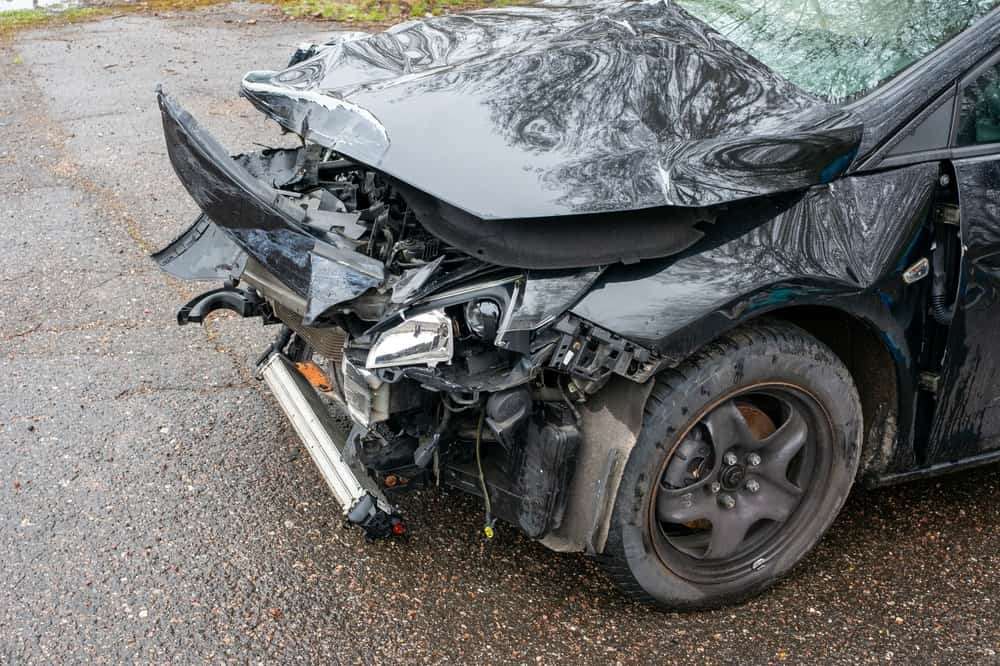
How Does Michigan No-Fault Insurance Work After a Crash?
Michigan no-fault insurance means your own policy pays for certain losses after a wreck, no matter who caused it. Since the 2019 reform, drivers choose their level of personal injury protection (PIP) coverage, and those choices are set out in MCL 500.3107c.
The choices are $250,000, $500,000, or unlimited coverage, with a $50,000 option open only to drivers enrolled in Medicaid who meet the household coverage conditions. If you never made a selection, unlimited coverage is generally the default.
Your PIP level affects how much medical coverage you carry, so it is worth pulling your policy before you talk to anyone about your claim. No-fault PIP benefits can help pay for things like:
- Reasonably necessary care, recovery, and rehabilitation expenses
- Wage loss for the first three years after the crash
- Replacement services up to $20 per day for tasks you cannot do
- Attendant care provided in the home
- Mileage to and from medical visits
Michigan also has a mini-tort rule that lets you recover up to $3,000 from the at-fault driver for vehicle damage your insurance does not cover. Confused about which benefits apply to your situation? Get a free review of your coverage today.
What Leads to Serious Car Accidents in Michigan?
Most serious crashes come down to driver choices that put everyone on the road at risk. Speeding, distraction, and aggressive and reckless driving cause a large share of them, and Michigan treats the worst of this behavior as a crime under MCL 257.626, the state's reckless driving law.
When a driver breaks these rules and hurts someone, that conduct can support your injury claim. Collisions we handle often trace back to causes such as:
- Texting or other distractions
- Running red lights and stop signs
- Following too closely
- Driving under the influence
- Unsafe lane changes
Understanding why a wreck happened helps us determine who was at fault. Tell us how your accident happened, and we will investigate the cause at no cost to you.
Who Pays, and When Can You Sue the At-Fault Driver?
Michigan's no-fault system decides much of who pays after a crash, but serious injuries can open the door to a claim against the driver who caused your wreck. In rear-end collisions, MCL 257.402 presumes the driver who hit you from behind was negligent. That presumption can be rebutted, and it does not apply when a struck vehicle showed no rear lights at night.
You can step outside of no-fault and sue the at-fault driver for pain and suffering when your injury meets the serious impairment standard. Michigan defines that in three parts: the impairment must be objectively manifested, must involve an important body function, and must affect your general ability to lead your normal life. Truck accident claims add federal trucking rules on top of all of this.
Find out whether your injury may clear that threshold, free of charge.
Damages Our Michigan Car Accident Attorney Can Help You Recover
Before calculating damages, we look at how the crash has affected your daily life. Serious injuries can lead to ongoing care costs, lost income, lasting limits on what you can do, and the loss of activities you once enjoyed, all of which help determine the value of your claim.
Our Michigan car accident attorney team can help you pursue money for the losses tied to the wreck, including:
- Current and future medical care
- Lost wages and reduced earning ability
- Pain and emotional suffering
- Help with long-term or permanent limitations
We build your claim around your real situation rather than a generic checklist. Ask us what your car accident claim may be worth, at no charge.

Steps to Take After a Michigan Crash
The steps you take after a crash can affect both your recovery and your claim. First, check for injuries and call 911. Michigan law requires you to report a crash that injures or kills anyone, or that causes apparent property damage of $1,000 or more, under MCL 257.622, so it is important to have law enforcement respond to the scene.
After that, a few simple actions can protect you:
- Get medical care, even if you feel okay
- Photograph the vehicles and the scene
- Collect names and numbers of any witnesses
- Notify your own insurance company
- Save records tied to the crash
Taking these steps early can strengthen your claim. Once you are safe, contact us, and we will explain your options and help you move forward.
FAQs: Michigan Car Accident Lawyer
We hear these questions often from people weighing whether to bring in a car accident lawyer after a Michigan wreck.
How Long After a Crash Can I Still File a Claim in Michigan?
For most car accident injury lawsuits, Michigan gives you three years from the date of the crash to file. No-fault PIP benefits follow a tighter timeline, so acting early matters. We can check the dates that apply to your case.
What Happens if the Other Driver Was Uninsured?
You may still have options through your own uninsured motorist coverage, which can step in when the at-fault driver has none. Your no-fault PIP benefits apply regardless of the other driver's coverage. We can review your policy and explain what is available.
Does Filing a Claim Raise Insurance Rates?
Filing a no-fault claim after a crash you did not cause generally should not raise your rates on its own. Insurers are sophisticated businesses, though, so it helps to have someone reviewing how they handle your file. We watch for anything that does not sit right.
How Long Does a Car Accident Case Usually Take?
It depends on your injuries and whether the insurer offers a fair settlement, so some cases resolve in months while others take longer. Our auto accident lawyer team in Michigan keeps things moving by staying organized and by pushing for records rather than waiting on them. We give you honest updates so you always know where things stand.
What if the Crash Made a Prior Injury Worse?
Michigan law lets you recover when a wreck aggravates a health problem you already had, even if you were not perfectly healthy before. The question is how much the collision changed your condition, which medical records help show. We work with your providers to document that difference.
Put a Michigan Car Accident Lawyer on Your Side
A car accident can disrupt your health, finances, and daily life, making it challenging to know what to do next. At Michigan Injury Lawyers, we provide careful preparation, straightforward advice, and personalized guidance throughout your case.
Call 248-454-0800 or reach out online for a free consultation, and let our team begin protecting your rights and pursuing your claim.